Have you ever woken up and noticed tiny curled shavings on your bedsheets, desk, or even your wrist after removing your smartwatch? At first glance, these odd little bits might remind you of miniature Velcro hooks. And if you don’t actually use Velcro anywhere near your bed or desk, it can be a real head-scratcher—where could they have possibly come from?
These mysterious curls can seem totally random, but the truth behind them is surprisingly common and linked to something most of us wear every single day: our smartwatch or fitness tracker bands. If your watch strap is made of silicone or rubber, odds are you’ve seen these tiny shavings at some point. While they might catch you off guard, they’re not as unusual as they appear. These little hook-like pieces are actually fragments that have broken off from your band over time.
The constant friction from daily wear, combined with skin contact, moisture, and movement, gradually wears down the material, causing it to shed in the form of tiny curls that look almost identical to Velcro hooks. Imagine a well-traveled road—over time, with enough cars passing through, even the most solid pavement starts to break down. That’s pretty much what’s happening here.
Several factors speed up this shedding process. First off, daily wear and tear plays a big role. When you’re frequently twisting your wrist, adjusting your watch, or taking it on and off, you put stress on the strap material. That repetitive motion can slowly cause the silicone or rubber to break down. Next comes sweat and natural body oils. When you wear your watch during workouts or throughout a warm day, moisture accumulates under the band, and your skin’s natural oils can interact with the strap’s material.Over time, that combination accelerates the breakdown process and leads to peeling or flaking.
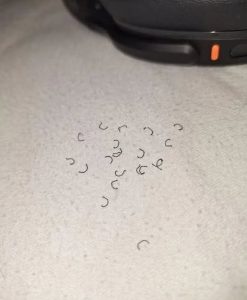
Another major contributor is friction—specifically from resting your wrist on desks while typing or rubbing your band against long sleeves or tight cuffs. Those constant micro-abrasions wear away at the band’s surface and lead to the development of those little Velcro-like curls. And of course, not all bands are made with the same quality. If you’re using a lower-end or older band made from cheap silicone or rubber, you’re much more likely to notice wear early on.
In contrast, premium materials like fluoroelastomer can hold up much better under daily use and tend to resist shedding for much longer.
