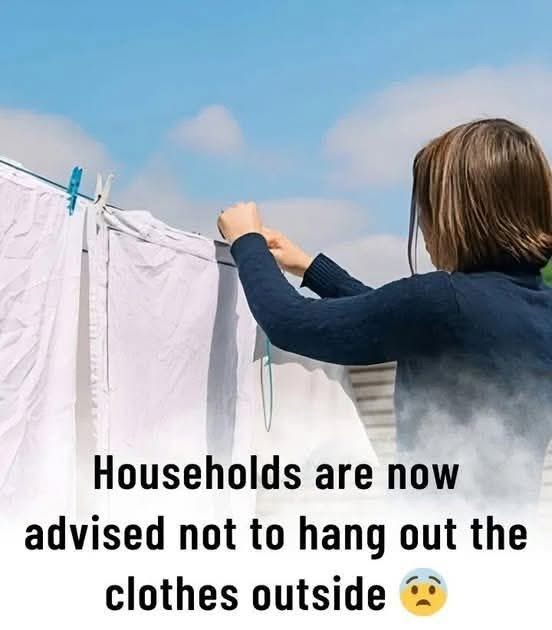
With the return of sunny days and rising temperatures, there’s nothing quite like the scent of freshly laundered clothes drying in the breeze. But for millions of seasonal allergy sufferers, this charming image comes with a hidden downside—and the answer to whether you should be drying laundry outdoors might surprise you.
Spring Isn’t So Sweet for Everyone
From March onward, spring ushers in months of discomfort for those affected by pollen allergies. Hay fever—also known as allergic rhinitis—impacts nearly one in three people in countries like France. As trees bloom, grasses grow, and herbaceous plants release their pollen, the air becomes saturated with microscopic allergens from April to September. The result? Sneezing fits, itchy eyes, runny noses, and relentless fatigue.
The Laundry Trap: A Pollen Magnet
Here’s the catch: when you hang your clothes or sheets outside during peak pollen season, you’re unknowingly turning them into pollen collectors. These fine, sticky particles cling easily to fabric fibers. So, when you bring those freshly dried linens back inside, you’re also inviting pollen into your home—onto your furniture, your skin, your hair, and into your bed. It’s like laying your laundry out in a blooming meadow and wondering why your allergies are worse afterward.
How to Reduce Exposure While Staying Fresh
Luckily, there are practical steps you can take to reduce the impact without sacrificing cleanliness or comfort:
Dry laundry indoors in a well-ventilated space, or use a tumble dryer.
Wear sunglasses when outside to protect your eyes from airborne pollen.
Cover your hair with a hat or cap to keep pollen from settling there.
Shower and change clothes immediately after returning home to wash away pollen particles.
Avoid freshly mown grass, especially right after it’s been cut, when pollen levels can spike.
And What About Allergy Treatments?
There’s no magic cure for hay fever, but antihistamines, nasal sprays, and eye drops can provide significant relief. Still, prevention remains your most powerful tool. By adopting small lifestyle tweaks—like switching where you dry your laundry—you can dramatically improve your comfort and quality of life during allergy season.
Bottom Line
You can’t control what’s floating through the air outside, but you can create a safe haven indoors. Skip the outdoor drying rack during peak pollen season and keep your home an allergen-free oasis.
Spring should feel like a fresh start—not a sneeze-filled struggle.
