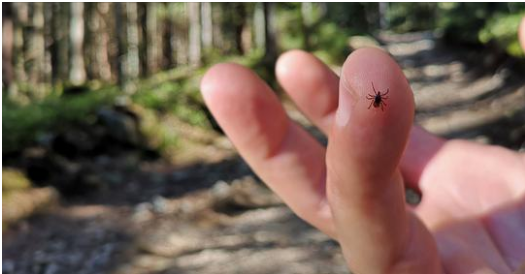
I like to think of myself as having love and understanding towards all creatures. Even spiders and snakes – fairly common phobias among humans – don’t freak me out to the point where I’ll actively take steps to avoid them.
You could say that I have a high threshold where tolerance for creepy crawlies is concerned… just not with ticks.
No, shameful as it is for me to admit, I wouldn’t lose an ounce of sleep if ticks vanished from the world tomorrow, never to be seen again. The thing is, they’re not just annoying (not to mention invasive and, well, enough to make most people’s skin-crawl) but they can actually be dangerous.
Ticks can carry debilitating diseases including Lyme disease and Rocky Mountain spotted fever, so it should go without saying that they’re probably not the best house guests for you to be entertaining…
That said, depending on where you live, the time of year, and whether or not you have pets at home, the chances of you encountering ticks can be fairly high.
So, what to do if and when you do come across one these tiny blights…
Identify and isolate the problem
It’s a good idea for you to try and identify the type of tick (whether its a black-legged, dog, or brown dog tick). If the tick is located in a specific area, keep your children or pets away until the tick is taken care of.
Protective steps
To make sure the tick doesn’t latch onto you, wear gloves and long-sleeved clothing so your skin isn’t exposed.
Clean thoroughly
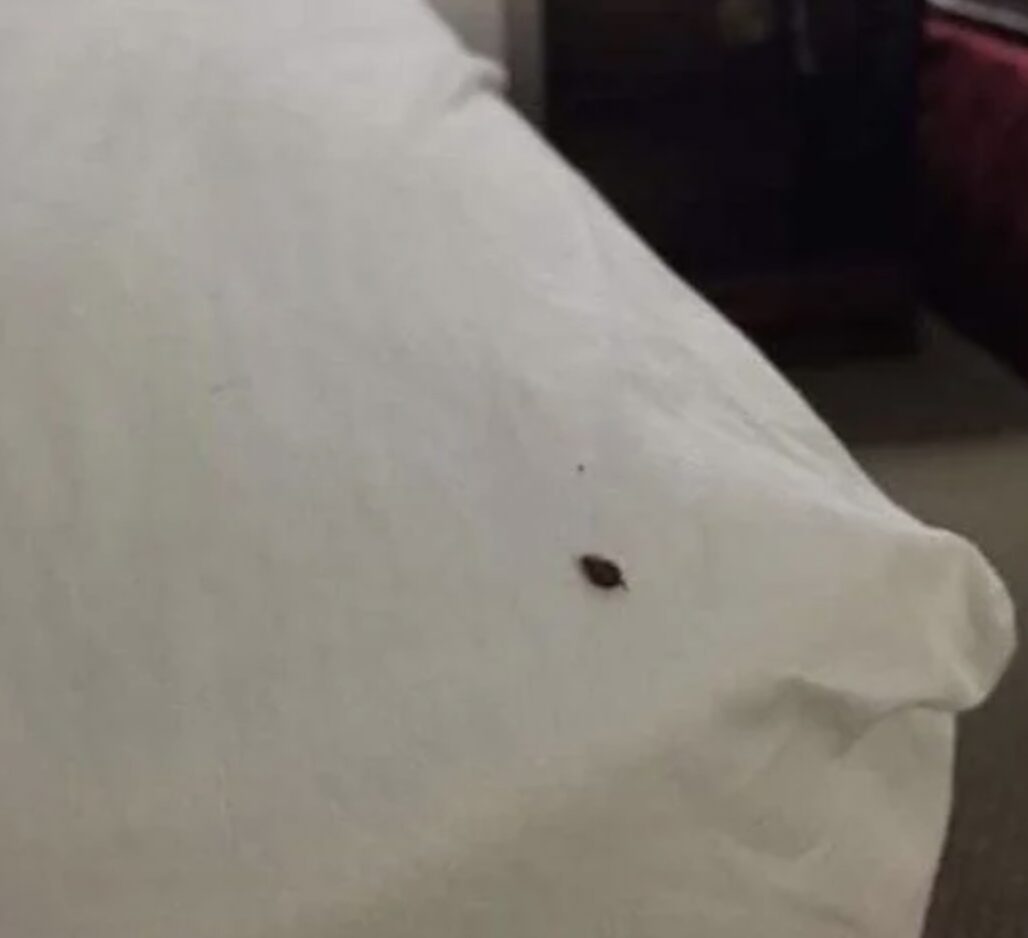
Make sure you thoroughly wash any clothing or bedding that the tick has come into contact with. Do so on high heat. Vacuum the area, paying special attention to crevices and corners.
Tick removal
Take fine-tipped tweezers and grab hold of the tick as close to the skin’s surface as possible. Slowly pull upwards, but avoid twisting or jerking to ensure that the tick’s head doesn’t break off and remain in your skin.

Following the removal, clean any bite areas with alcohol or soapy water. You can use alcohol to dispose of the tick, or else flush it down the toilet.
Monitor your bite
It’s a good idea to monitor any bite sites you find, as well as the monitor the person who’s been bitten for symptoms.
Hopefully this helps! Share this article on Facebook to help spread the message.
