Understanding Eye Floaters and Flashes
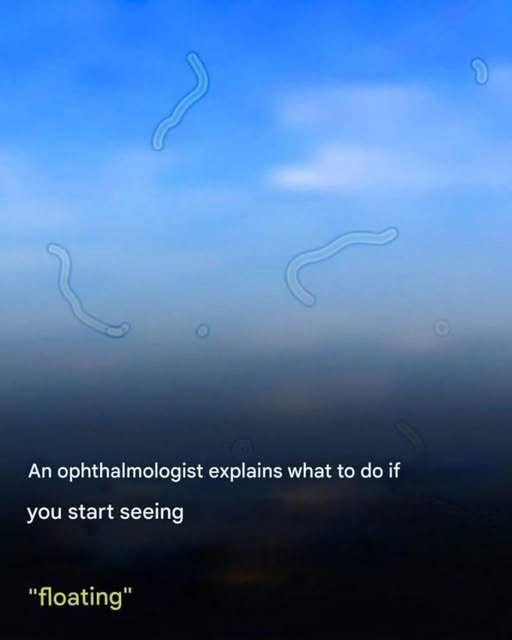
Eye floaters are a common visual occurrence that many people notice but often misunderstand. They appear as tiny spots, threads, or cobweb-like shapes drifting across your vision, especially against bright backgrounds like a clear sky or white wall. These shapes seem to move when your eyes move, making them difficult to focus on.
According to Healthline, floaters form when bits of collagen—tiny protein fibers—clump together in the vitreous, the gel-like substance inside the eye. As we age, this gel shrinks, causing the fibers to cast small shadows on the retina, which appear as floaters.
Some people also experience flashes of light. These occur when the vitreous gel pulls on the retina, creating brief bursts of light in the field of vision. While usually harmless, sudden or frequent flashes should not be ignored.
Floaters and flashes are most common in adults aged 50 to 75, people who are nearsighted, or those who have undergone cataract surgery. Although they are typically benign, new or worsening symptoms may signal more serious eye conditions.
If floaters or flashes are accompanied by vision loss, they could indicate retinal tears, detachment, inflammation (uveitis), or even bleeding in the eye. Prompt evaluation by an eye doctor is crucial in these cases.
According to Vision Center, diagnosis involves a dilated eye exam, where eye drops widen the pupils so a doctor can check for floaters or retinal issues. This helps determine whether treatment is needed.
Treatment options include vitrectomy, a surgical procedure to remove floaters, and laser therapy, which breaks them down. However, laser treatment remains experimental and is not always recommended.
The best prevention is regular eye check-ups and awareness of symptoms that may suggest underlying eye problems. Healthy habits help protect your vision for years to come.
