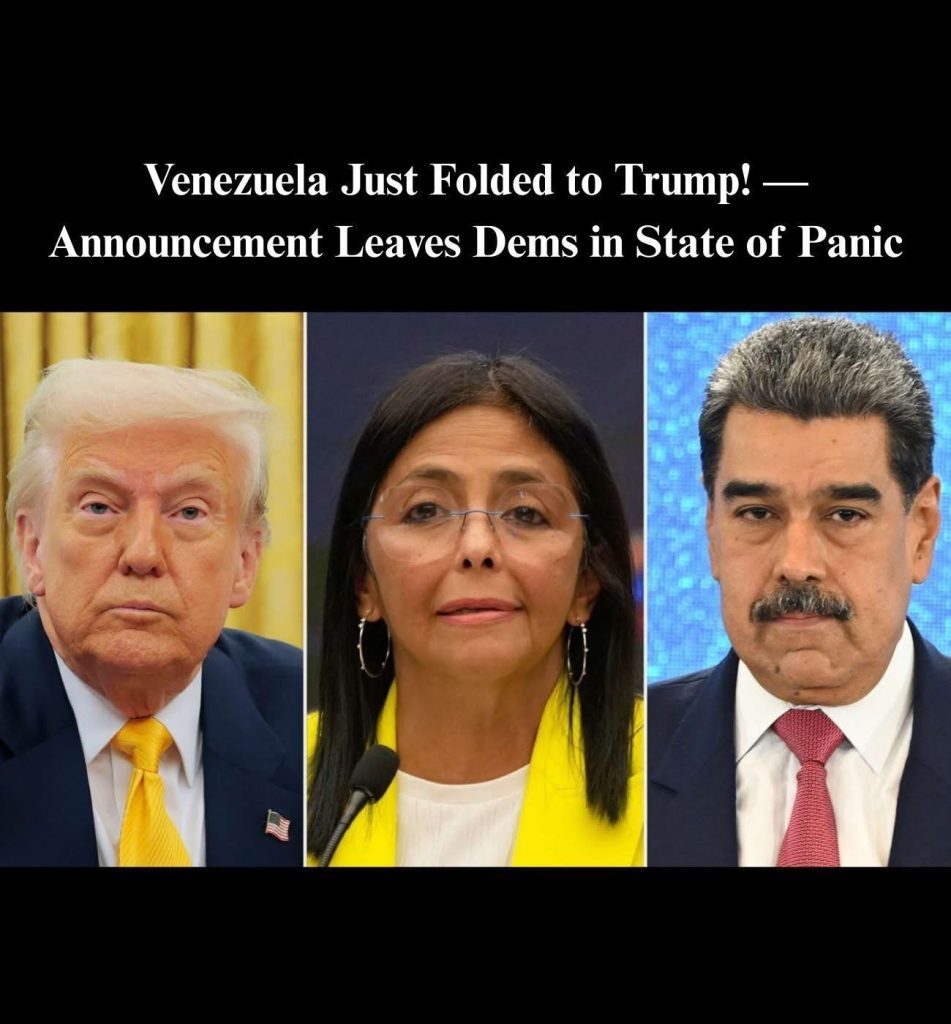
Venezuela’s unexpected release of political prisoners marks a strategic step in its tense new dynamic with the United States. This move comes amid a fragile transition, with former leader Nicolás Maduro now in U.S. custody and his successors seeking stability.
The first freed detainees emerged to joyful reunions, though the precise cost of their liberty remains an open question. The Venezuelan government frames the releases as a gesture for “peace,” while Washington views them as strategic “leverage.”
Notably, the process lacks transparency. There is no official list of those freed or clear criteria for their release, only fragmented scenes of homecomings and brief announcements from officials.
At the heart of the arrangement is Venezuela’s oil wealth. The United States will oversee the country’s crude sales indefinitely, directing proceeds into accounts it supervises.
Former President Trump has stated Venezuela must use its portion of these funds solely to purchase American goods. Proponents see this as effective pressure, while detractors label it a form of economic control.
For the families of the detained, the moral equation is stark. They are prepared to accept freedom within this lopsided bargain, prioritizing their loved ones’ release over immediate debates on national sovereignty.
