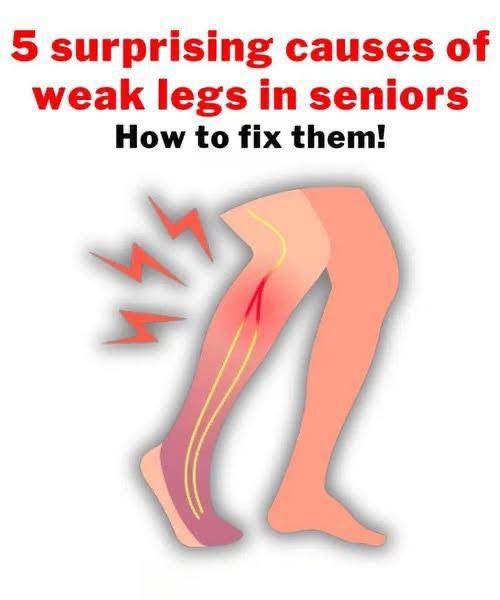
As we age, it’s natural to notice changes in leg strength—like difficulty rising from a chair or climbing stairs. While this can be concerning, understanding the causes is the first step toward improvement. Leg weakness is common with age, but it’s not something you have to accept passively.
One primary cause is muscle loss, known as sarcopenia. This typically begins after age 50 and accelerates with inactivity. Reduced physical movement compounds the issue, creating a cycle where weak muscles discourage activity, leading to further decline. Staying physically active is crucial to maintaining muscle mass and joint flexibility.
Chronic health conditions also contribute to leg weakness. Diseases like arthritis, diabetes, or nerve-related issues can affect mobility and balance, increasing the risk of falls and further inactivity. Likewise, lower back problems—such as sciatica or spinal stenosis—can interfere with nerve signals to the legs, causing discomfort or weakness. Managing these conditions with medical guidance is essential.
Mental and emotional factors—like retirement, depression, or grief—can sap motivation to stay active. Changes in routine may lead to sedentary habits, further weakening leg strength. Building a support system, exercising with a friend, or joining group activities can restore both motivation and movement.
Thankfully, leg weakness is often reversible. Regular movement, medical management, and emotional support are key. Simple exercises—such as chair stands, lunges, and walking—can significantly improve strength. Even small efforts add up over time. If unsure where to start, consult a doctor or physical therapist. Staying active today helps preserve independence tomorrow
