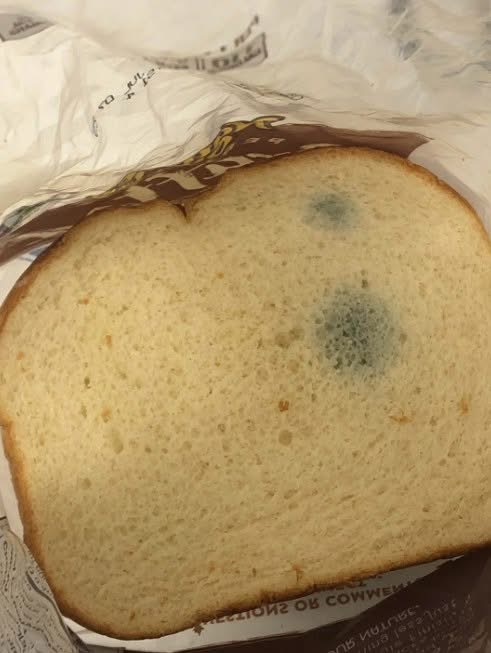
We’ve all encountered a hardened loaf and questioned if it’s still good. In most cases, bread that is dry but shows no mold is simply stale, not spoiled. This process, called retrogradation, is a natural loss of moisture and the bread remains perfectly safe to eat.
While not ideal for a sandwich, stale bread is far from useless. Its dry, firm texture is actually preferred in numerous recipes. It can be easily revived for immediate use. Warming it wrapped in foil will restore softness, while toasting creates a pleasant crunch.
Stale bread excels in cooking because it absorbs liquids without turning soggy. This makes it a superb ingredient for both savory and sweet dishes. Classics like French toast, stuffing, and bread pudding rely on this quality for their perfect texture.
Its versatility extends further. You can pulse stale bread into fresh breadcrumbs for coating. It can also be cubed and baked into crispy croutons for salads or soups. These uses transform a seemingly spent ingredient into a valuable kitchen staple.
However, moldy bread is a serious health concern. Visible green or black spots mean the entire loaf is contaminated. The porous structure allows mold to spread invisibly, and its toxins can cause illness.
Proper storage is key to preventing waste. For short-term keeping, a paper bag at room temperature is best. For long-term storage, freezing effectively preserves freshness. Avoid the refrigerator, as it actually speeds up the staling process.
In summary, stale bread is a versatile culinary asset, while moldy bread must be discarded. Understanding this distinction helps reduce waste and keep your kitchen safe.
