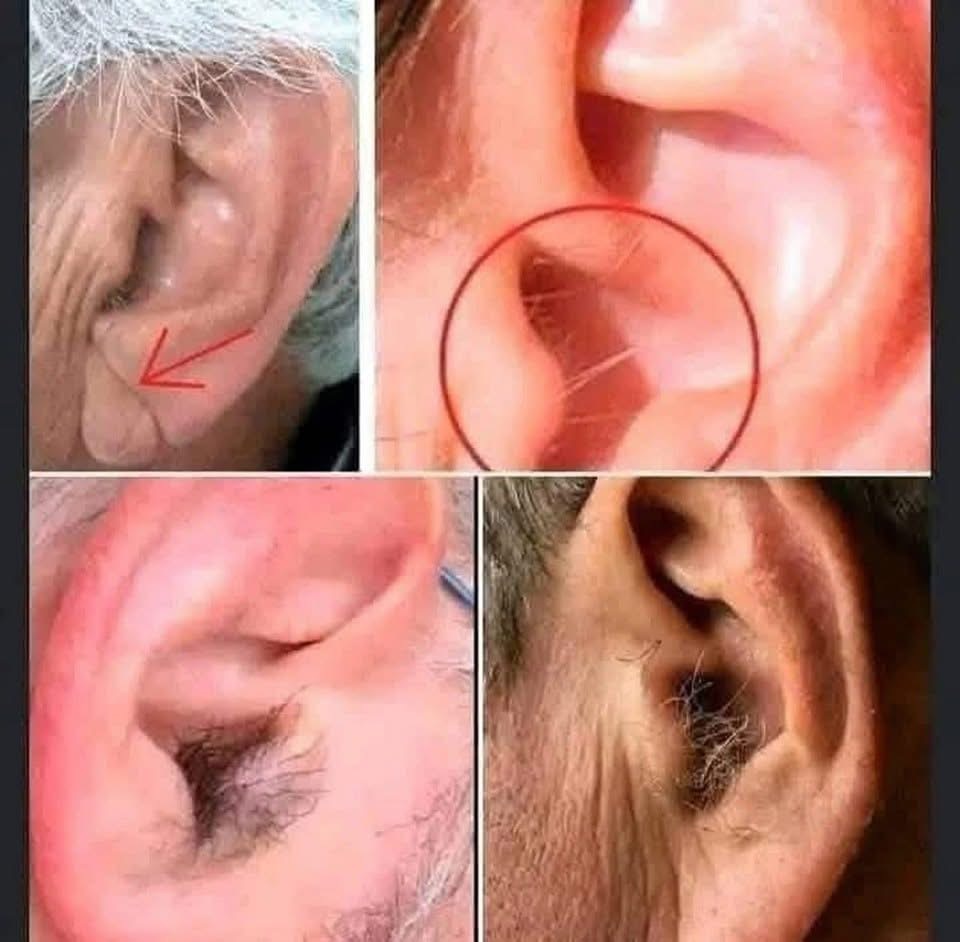
Have you ever noticed hair growing on your ears and wondered why it’s happening? While it might seem like just another odd quirk of aging, ear hair growth can actually be an indicator of certain biological processes and health conditions. In this article, we’ll explore why hair grows on your ears, what it means for your body, and whether or not you should be concerned.
The Science Behind Ear Hair Growth
Hair growth is largely controlled by hormones, particularly androgens like testosterone. While everyone has some level of ear hair, men tend to experience more noticeable growth as they age. This is because testosterone levels fluctuate over time, and the hair follicles in the ears can become more sensitive to these hormonal changes.
Ear hair serves as a protective mechanism for the body. The tiny hairs inside your ear canal help prevent dust, debris, and small particles from entering the ear, reducing the risk of infections and damage to the delicate structures within. However, when hair grows excessively on the outer parts of the ear, it might be a sign that something else is at play.
- Aging and Hormonal Changes
As men get older, they often experience increased hair growth in areas like the ears, nose, and eyebrows. This is due to a shift in hormone levels that makes hair follicles in these regions more active. It’s a normal part of aging, though some men may notice more prominent ear hair than others. - Genetics
If your father or grandfather had excessive ear hair, chances are you might develop it too. Genetics play a significant role in determining hair growth patterns, including where and how much hair appears on the body. - Hypertrichosis (Excessive Hair Growth Disorder)
Some people experience a condition called hypertrichosis, which causes abnormal hair growth in unexpected places. While rare, it can lead to excessive ear hair growth beyond what is typically seen with aging. - Health Conditions
In some cases, increased ear hair growth has been linked to underlying health issues. Some researchers have suggested a possible connection between excessive ear hair and an increased risk of heart disease. While the evidence is not conclusive, one study found that men with significant ear hair growth had a higher likelihood of developing coronary artery disease. More research is needed, but it’s worth discussing with a doctor if you notice sudden or extreme changes in hair growth.
Should You Be Concerned?
For most people, ear hair growth is simply a natural part of aging and nothing to worry about. However, if you notice a sudden increase in hair growth, or if it is accompanied by other unusual symptoms such as fatigue, skin changes, or weight fluctuations, it’s a good idea to consult a healthcare professional.
