When it comes to home-cooked meals, ground beef is a staple ingredient that finds its way into countless American kitchens. From juicy burgers and flavorful tacos to hearty chili and classic spaghetti Bolognese, ground beef is loved for its versatility and rich, meaty flavor. But despite its popularity, one question continues to spark debate among home cooks and food lovers alike—should you rinse ground beef before or after cooking?
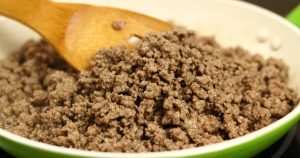
It might sound simple, but there are some strong opinions on both sides. Some folks believe rinsing ground beef is a smart move, and they’ve got reasons to back it up. The biggest argument in favor of rinsing is that it reduces the fat content.
For those watching their calorie intake or aiming to prepare leaner meals, rinsing cooked ground beef under hot water can help remove excess grease. That means fewer calories and a cleaner taste, especially in dishes where too much fat might overwhelm other ingredients. Imagine prepping a pasta sauce and ending up with a greasy layer floating on top—not exactly appetizing.
By rinsing, some cooks feel they’re cleaning up their dish and making it healthier at the same time. Another reason people rinse their beef is to improve the texture and consistency of their meal. Too much fat can make certain dishes feel heavy or soggy, and rinsing helps avoid that issue.
For example, when making taco meat or shepherd’s pie, some prefer the filling to be firm and flavorful—not weighed down with unnecessary grease. Rinsing, in this case, can be seen as a step toward refining the final dish. However, not everyone is on board with this approach. In fact, many experienced cooks strongly advise against rinsing ground beef.
One of the main reasons? You lose flavor. Fat isn’t just a source of calories—it also carries flavor and helps keep meat juicy. When you rinse your cooked ground beef, you’re not just washing away fat; you’re also getting rid of some of the savory juices and browned bits that develop during cooking. These are the elements that bring depth and richness to your food.
A dry burger or flat-tasting chili might be the unfortunate result of overzealous rinsing. Then there’s the practicality of rinsing. It’s not exactly a neat or easy task. Trying to balance a colander full of steaming hot beef while pouring boiling water over it can be awkward, not to mention risky. There’s a good chance of splashing, burning your hand, or making a big mess at the kitchen sink.
For many, the hassle just isn’t worth it. But beyond mess and flavor loss, there’s another issue that often gets overlooked—what happens when that grease goes down your drain. At first glance, it might seem harmless to rinse beef and let the grease wash away with hot water. But here’s the catch: once that fat cools, it solidifies inside your plumbing, which can eventually clog pipes, slow drainage, and lead to costly plumbing problems.
The better way to handle beef fat? Let it cool and harden in a pan or jar, then scoop it into a disposable container or wrap it in foil before throwing it in the trash. It’s a small step that saves you from major headaches later. So, should you rinse your ground beef? While there’s no one-size-fits-all answer, most chefs and culinary experts agree that skipping the rinse is usually the best move.
Unless you have a specific dietary need that requires cutting every bit of fat, the flavor and juiciness that fat adds to your cooking often outweigh the benefits of removing it. Plus, you’ll avoid making a mess and risking your plumbing in the process. That said, every home cook has their own preferences, and if you find that rinsing helps you meet your health goals or improves your dishes in a way you enjoy, go for it.
Cooking is as much about personal style as it is about technique. Whether you’re Team Rinse or Team No-Rinse, the key is to enjoy the process of cooking and create meals that you love. After all, your kitchen, your rules—and there’s more than one way to serve up something delicious.
