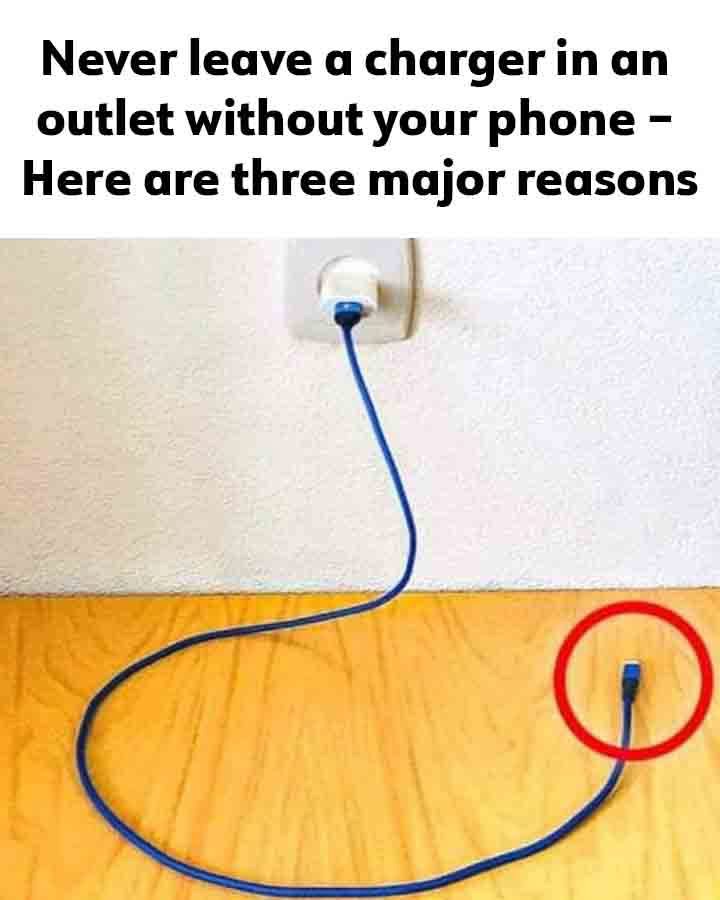
A plugged-in phone charger is a common sight in many households, often left in the outlet even when not actively charging a device. However, keeping your charger plugged in without a phone connected may have unintended consequences.
Chargers continue to consume power even when idle. A test using a genuine Apple phone charger revealed that it draws around 130W of power per month, amounting to 1.5KWh annually. While this might seem like a small amount, the cumulative effect across multiple chargers in a household can be significant. Larger chargers tend to use more power, and non-genuine chargers can consume up to 10 to 20 times more than branded ones. Additionally, millions of continuously running chargers contribute to increased energy consumption and carbon emissions, exacerbating environmental concerns.
Leaving a phone charger plugged in also poses a potential fire hazard. Overheated chargers, particularly those placed under clothing or books, can reach dangerous temperatures, increasing the risk of fire. This risk is even greater with low-quality, non-branded chargers that may not meet safety standards.
Another downside is the impact on electricity bills. Even when not in use, a plugged-in charger continues to draw power, and the collective effect of multiple idle chargers results in unnecessary energy consumption. While the cost of a single charger left plugged in may be minimal, having multiple chargers in constant use can lead to noticeable annual expenses. For instance, keeping five chargers plugged in all year can cost approximately $0.37 annually—an amount that, while small, adds up over time.
Beyond financial costs, this habit contributes to energy waste. Unplugged chargers reduce unnecessary energy consumption, promoting environmental sustainability. While modern smartphone and tablet chargers have minimal phantom loads, older power tool chargers can consume significantly more power. Identifying and unplugging inefficient chargers is a simple yet effective step toward reducing energy waste and lowering carbon footprints.
Keeping phone chargers plugged in without a connected device comes with various drawbacks. In addition to increasing electricity bills, they waste energy, pose a fire hazard, and contribute to environmental degradation. To mitigate these issues, it’s best to unplug chargers when not in use, consider using smart outlets for remote control, and invest in high-quality branded chargers to ensure safety. Small changes in charging habits can lead to a more efficient and sustainable living environment.
