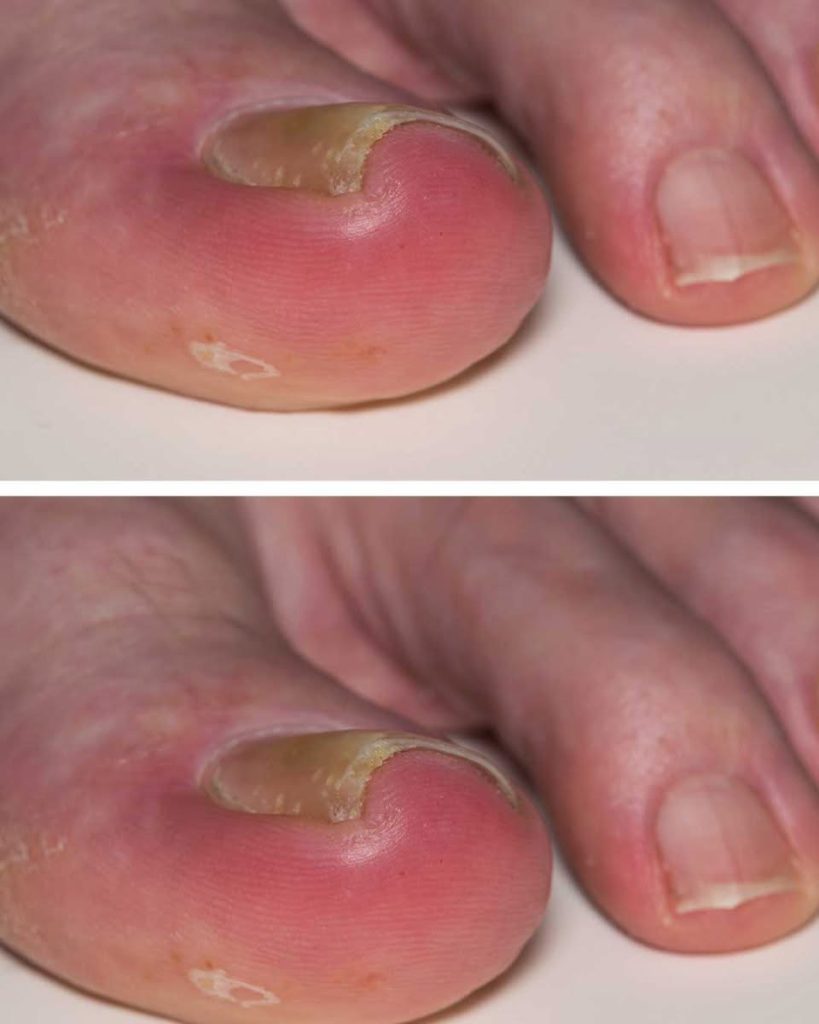
Ingrown toenails occur when the edge of a toenail grows into the surrounding skin, causing discomfort and sometimes infection. This condition is most common in the big toe and can result from improper nail trimming, tight footwear, or genetic predisposition. Understanding the causes can help in managing and preventing the issue.
Identifying Symptoms of Ingrown Toenails
Common symptoms include redness, swelling, and pain around the nail edges. In more severe cases, you might notice pus or an overgrowth of skin around the nail. Early identification of these symptoms can prevent complications and aid in effective home treatment.
Advertisement
Immediate Home Remedies for Ingrown Toenails
To alleviate pain and reduce inflammation, soak your foot in warm water mixed with Epsom salt for 15-20 minutes several times a day. After soaking, gently lift the edge of the nail and place a small piece of cotton or dental floss underneath to help it grow above the skin. Apply an antiseptic ointment to prevent infection.
Proper Foot Hygiene Practices
Maintaining good foot hygiene is crucial. Wash your feet daily with soap and water, and dry them thoroughly. Keep your toenails trimmed straight across and avoid cutting them too short. Wearing clean, breathable socks and shoes that fit well can also help prevent ingrown toenails.
When to Seek Medical Attention
If your symptoms worsen or you notice signs of infection such as increased redness, pus, or severe pain, it’s important to seek medical attention. A healthcare professional can provide treatments such as lifting the nail, partial nail removal, or prescribing antibiotics if necessary.
Preventing Ingrown Toenails in the Future
To prevent ingrown toenails, always trim your nails straight across and avoid rounding the corners. Wear shoes that provide enough room for your toes and avoid tight-fitting footwear. Regularly inspect your feet for any signs of ingrown nails, especially if you have diabetes or circulation issues.
Over-the-Counter Treatments and Pain Relief Options
Over-the-counter treatments like antiseptic creams and pain relievers such as ibuprofen or acetaminophen can help manage symptoms. Some topical treatments are specifically designed to soften the nail and skin, making it easier to manage the ingrown nail at home.
Common Mistakes to Avoid with Ingrown Toenails
Avoid cutting the nail too short or digging into the corners, as this can worsen the condition. Do not attempt to remove the nail yourself, as this can lead to infection. Wearing tight shoes or socks can exacerbate the problem, so opt for comfortable, well-fitting footwear.
Alternative Therapies and Natural Remedies
Some people find relief using natural remedies such as applying tea tree oil, which has antiseptic properties, or using apple cider vinegar soaks to reduce inflammation. However, these should be used with caution and not replace conventional treatments if symptoms persist.
Conclusion: Managing Ingrown Toenails Until Your Doctor’s Appointment
While waiting for your doctor’s appointment, focus on relieving symptoms and preventing infection through proper foot care and home remedies. Monitor your symptoms closely, and seek medical help if they worsen. With the right care, you can manage the discomfort and prevent further complications.
