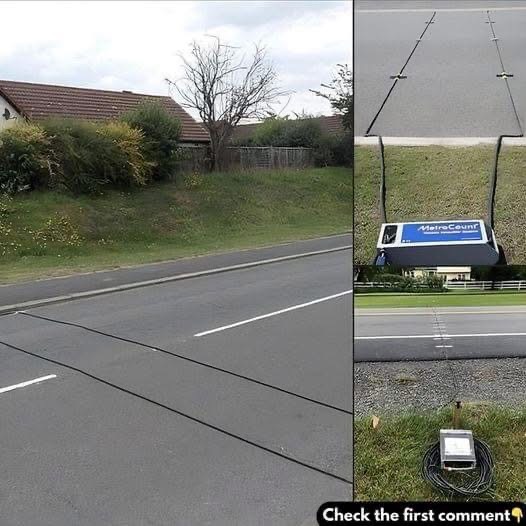
The Purpose Behind the Black Tubes
If you’ve ever driven down a road and noticed black tubes stretched across the pavement, you might have wondered what they are and what purpose they serve. These seemingly innocuous cylinders, which crisscross roads all over the country, are far more important than they appear. They are, in fact, crucial tools in traffic management, gathering vital data that helps shape our transportation systems.
What Are These Tubes?
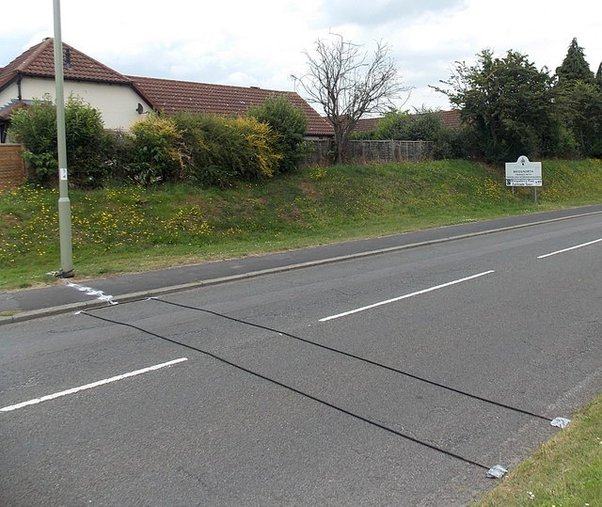
The black tubes you see on the road are known as pneumatic traffic counters. These simple yet powerful devices are designed to collect data on traffic patterns, vehicle counts, and road usage. They are essential for transportation authorities who need accurate information to make informed decisions about road management, safety, and infrastructure development.
How Do They Work?
The operation of these tubes is based on a surprisingly straightforward principle. Every time a vehicle’s tires pass over the tube, a burst of air is generated within the tube. This burst of air triggers an electrical signal in a connected counter device, which records the event. By analyzing the frequency and timing of these signals, transportation officials can determine how many vehicles have passed over a given stretch of road, along with other key data.
The Data Behind the Tubes: Why It Matters
Counting Vehicles and Beyond
At its most basic level, a single tube configuration counts the number of vehicles passing over it. However, when two tubes are used in tandem, the system can capture even more detailed information. This setup allows for the measurement of vehicle speed, classification (based on axle count and spacing), and direction of travel. This data is crucial for understanding peak traffic times, determining appropriate speed limits, and assessing road capacity.
Influencing Traffic Management Decisions
The data collected by these pneumatic counters is far from trivial. It forms the foundation for many critical decisions regarding road safety and traffic management. For example, traffic data can inform the placement of traffic signs, the setting of speed limits, and the planning of road repairs and expansions. By providing a clear picture of how roads are used, these black tubes help ensure that transportation systems remain efficient and safe for all users.
