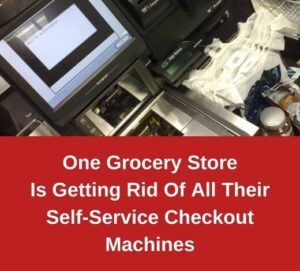
Booths, a UK supermarket chain known for its quality and customer service, is making a distinctive move by eliminating most self-service checkouts across its 27 stores in Northern England. Often referred to as the “northern Waitrose,” Booths has opted to prioritize human interaction and customer service over automation, returning to fully-staffed checkouts.
Customer feedback and a commitment to offering a more personal shopping experience were driving factors behind the decision to remove self-service tills. Booths’ managing director, Nigel Murray, highlighted that customers had expressed concerns about the slow, unreliable, and impersonal nature of self-scan machines. The move aligns with Booths’ values of providing “high levels of warm, personal care” and challenges the trend of increasing automation in the retail sector.
Booths’ decision has ignited a debate on the advantages and disadvantages of self-service checkouts, particularly in relation to the ongoing issue of shoplifting. The British Independent Retailers Association (BIRA) noted that the prevalence of retail theft poses a significant challenge for retailers relying on self-service tills, raising questions about the effectiveness of automated systems in deterring theft.
While Booths is returning to fully-staffed checkouts in most stores, exceptions will be made for two stores in the Lake District—Keswick and Windermere—where self-service tills will still be available due to high customer traffic and convenience preferences.
Booths, with a history dating back to 1847, emphasizes the enduring value of personal customer service in a retail landscape dominated by convenience and automation. By choosing “actual intelligence” provided by human cashiers over artificial intelligence, the supermarket chain highlights the importance of face-to-face interactions in building customer loyalty.
Booths’ decision challenges the status quo of automated shopping and underscores the significance of real human interactions and customer-centric values. As the retail industry evolves, the move towards fully-staffed checkouts reflects a commitment to delivering a shopping experience that goes beyond transactions, emphasizing the enduring appeal of exceptional customer service in a technology-driven era.
