
Take a stroll down memory lane and listen closely. Do you hear it? The distinct click-clack of metal on the pavement. Ah, those were the days! Those were the sounds of vintage metal shoe repair plates, the unsung heroes of the early 20th century. These small but mighty accessories were introduced by shoemakers to combat the wear and tear on boots. As shoes became indispensable for both function and fashion, people sought out pairs that would last. That’s when metal plates came into play, silently protecting and enhancing the durability of our beloved footwear.
In the good old days, shoes had a backbone, quite literally. The main purpose of these metal shoe repair plates was simple yet revolutionary: to reinforce the heels and toes of shoes. These areas were the most prone to the daily grind of roads and pavements. By attaching metal plates to the soles, shoemakers not only extended the lifespan of the shoes but also improved traction and stability. So whether you were marching to work or dancing the night away, these plates had your feet covered, quite literally!
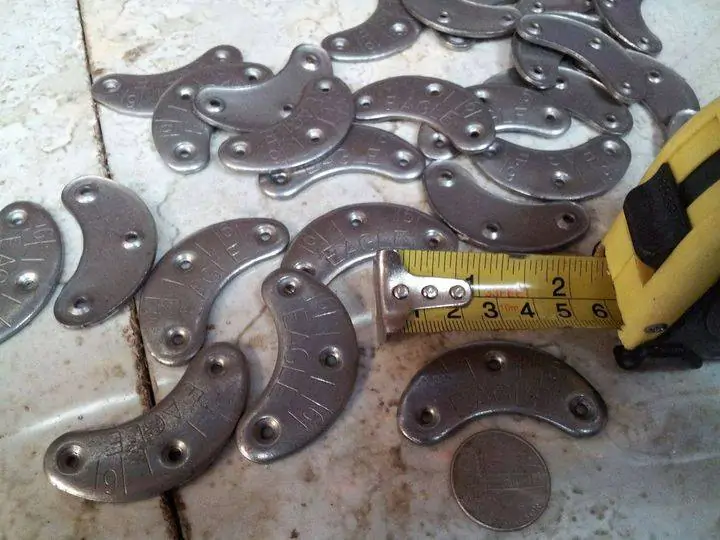
One of the remarkable features of these metal plates was their replaceable nature. Talk about innovation! When the plates wore out, there was no need to discard the entire shoe. Shoemakers could simply swap out the old plates for new ones. This approach was not only cost-effective but also thrifty during harder economic times. Think of it as the early 20th-century
Aside from their functional benefits, let’s not forget the flair these plates added to footwear. The metallic click-clack sound of someone walking became a fashion statement in itself. You could instantly recognize when someone was coming down the hall wearing sturdy, well-made shoes adorned with these plates. It’s no surprise that people began associating that distinctive sound with quality and durability.
Fast forward to the present, and the spirit of these metal shoe plates still lives on. Even with all the advances in shoe manufacturing technology, modern shoe makers draw inspiration from these humble beginnings. While materials and designs have evolved, the fundamental idea remains the same — create shoes that stand the test of time. Many contemporary brands incorporate high-tech materials that offer the same durability and protection as those early metal plates did.
In short, vintage metal shoe repair plates played a monumental role in shaping the history of footwear. They offered durability, functionality, and a touch of style. Today, they hold a cherished place in history, reminding us of an era when craftsmanship and sustainability were paramount. Their legacy not only continues to influence how shoes are made but also serves as a poignant reminder of the days when every step we took was backed by ingenuity and resilience.
