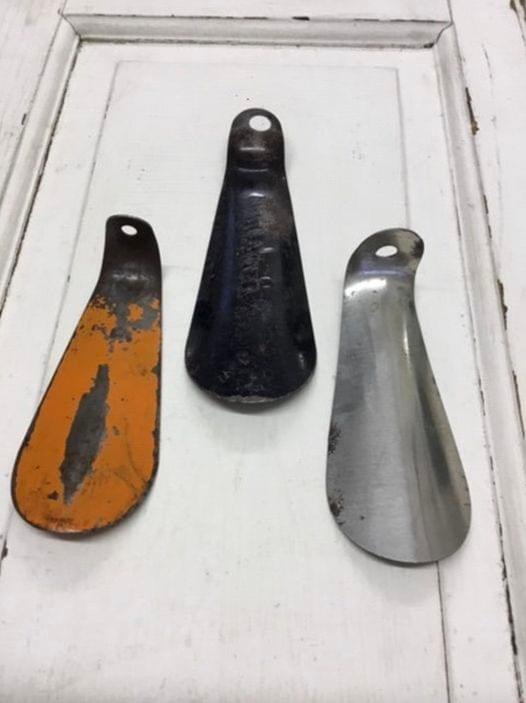
The internet has recently been buzzing about a peculiar object that has left many puzzled. The surprising revelation? It’s a shoe horn!
Often overlooked, the shoe horn is one of those simple yet genius inventions that makes everyday life a bit easier.
Let’s dive into the fascinating story of this humble tool!
The shoe horn boasts a rich history that dates back to the 15th century. In those early days, craftsmen used materials like animal horn, bone, or wood to create these practical tools. The main function of a shoe horn was to help people slide their feet into shoes without damaging the heel. Early shoe horns were designed with durability and functionality in mind, reflecting the needs of the time.
Over the centuries, the materials and design of shoe horns have evolved. The industrial revolution introduced metals like brass and steel, giving shoe horns added strength and durability. By the 19th and 20th centuries, plastic and other synthetic materials became commonplace, making shoe horns more accessible and affordable. Some shoe horns were even crafted from silver and adorned with intricate designs, turning a practical item into a piece of art. These decorative shoe horns were popular among the upper classes and showcased the era’s craftsmanship and aesthetic preferences.
The main job of a shoe horn is to make slipping into shoes easier without bending or crushing the heel counter. By using a shoe horn, you can slide your foot into the shoe smoothly, helping to maintain the shoe’s shape and extend its life. This tool is especially handy for shoes with stiff or narrow openings.
There are different types of shoe horns to suit various needs. Compact, hand-held versions are perfect for travel, as they’re easy to carry around. Long-handled models are particularly useful for people with limited mobility or those who find it difficult to bend down. These longer shoe horns allow you to put on your shoes while standing, offering both comfort and convenience.
The legacy of the shoe horn goes beyond its practical uses. It’s a testament to the blend of functionality and artistry that characterized many everyday objects from the past. Antique shoe horns, in particular, are prized by collectors for their intricate designs and high-quality materials. These vintage tools often feature elaborate engravings, ornate handles, and the use of precious metals, reflecting the skilled craftsmanship of their time.
Even today, many people use shoe horns as part of their daily routine, while others collect antique shoe horns, valuing them as historical artifacts that offer a window into past lifestyles and craftsmanship.
