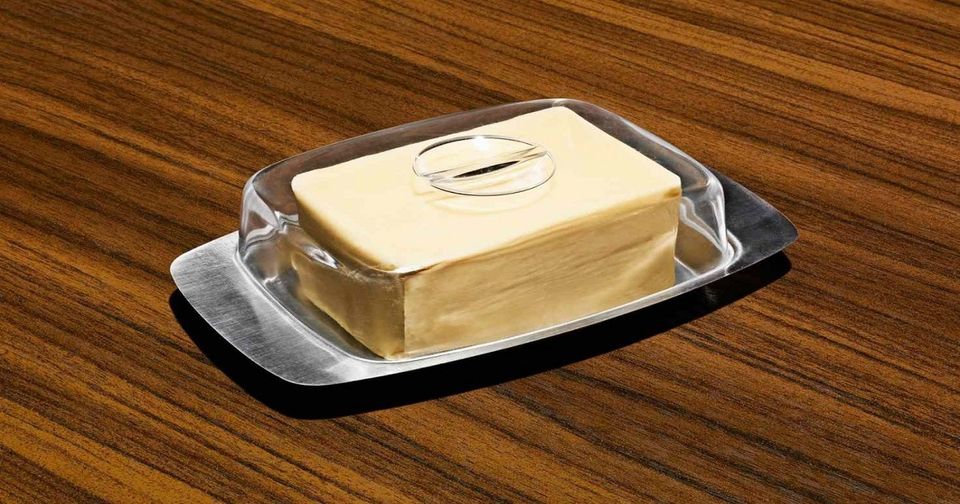
Butter, that creamy and flavorful delight, is a staple in many kitchens around the world. Whether you use it for spreading on toast, baking delectable pastries, or adding richness to your favorite dishes, butter is a kitchen superstar. But have you ever wondered if it’s safe to leave your favorite butter at room temperature? The answer might surprise you – it is safe, as long as you follow a few guidelines for storage.
Butter is made primarily from milk fat, and its low moisture content makes it less prone to bacterial growth. The key to its safety at room temperature lies in the fact that bacteria require moisture to thrive. With butter’s minimal moisture, harmful bacteria find it challenging to grow, making it a safe option for countertop storage.
How Long Does Butter Last on the Counter
The length of time butter can safely sit on your counter varies depending on a few factors. Generally, if your kitchen’s temperature is below 70°F (21°C), you can leave butter out for up to a week. Warmer temperatures may reduce this time to a few days. However, it’s essential to keep the butter covered or in an airtight container to prevent it from absorbing unwanted odors and flavors from the surrounding environment.
To ensure your butter remains safe and delicious on the counter, here are some tips:
Butter Dish: A butter dish with a lid or cover is an excellent choice for countertop storage. It protects the butter from contaminants while allowing it to remain easily accessible for spreading.
Cool and Dry Location: Find a cool, dry spot in your kitchen away from direct sunlight or heat sources. This will help maintain a stable temperature for the butter.
Use a Butter Bell: A butter bell or butter crock is another option. It uses water to create an airtight seal around the butter, preventing outside odors from affecting its flavor.
Speeding Up the Softening of Cold Butter
Sometimes you’re in a hurry to use your butter, and it’s been sitting in the fridge. Here’s a quick and easy way to bring cold butter to room temperature:
Microwave Method: Cut the amount of butter you need into smaller pieces and place them on a microwave-safe plate. Microwave in short intervals, using low power settings, until the butter becomes slightly soft but not melted. Be cautious to avoid overheating.
Grating Method: If you have a box grater, you can grate cold butter into fine shreds. This will increase the surface area, allowing it to soften faster at room temperature.
While butter is generally safe at room temperature, it’s crucial to recognize signs of spoilage:
Off Odor: If your butter starts to develop an unusual or rancid smell, it’s a sign that it has gone bad. Fresh butter should have a mild, creamy scent.
