The origins of the boot jack date back to the 18th century when boots became a staple in both men’s and women’s fashion. During this era, boots were often tall, tightly laced, and difficult to remove without assistance. Boot jacks emerged as a practical solution, allowing wearers to take off their boots without straining or needing another person’s help.
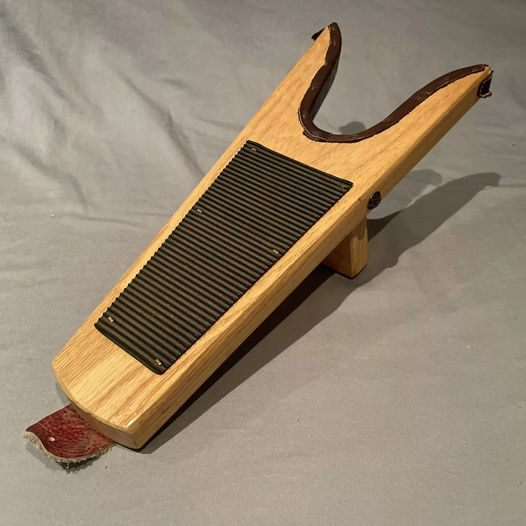
Boot jacks were particularly popular in Europe and North America, where they were considered essential household items. Craftsmen crafted boot jacks from wood, metal, or a combination of materials, often adding decorative elements to reflect the owner’s personal style. The boot jack’s design was simple yet effective, typically featuring a U-shaped opening at one end where the heel of the boot could be placed, allowing the wearer to hold the boot jack down with one foot while pulling the boot off with the other.
This simple method was beneficial for removing muddy or tightly fitted boots, and it saved time and effort. Boot jacks became particularly popular among farmers, soldiers, and anyone else who regularly wore heavy or cumbersome boots.
Though the boot jack’s primary function has been replaced by modern conveniences like zippers and slip-on shoes, its legacy lives on in several ways:
Collectible Items: Many vintage boot jacks are now considered collectible items, prized for their craftsmanship and historical significance. Antique enthusiasts and collectors often seek out unique and ornate designs that reflect the artistry of past eras.
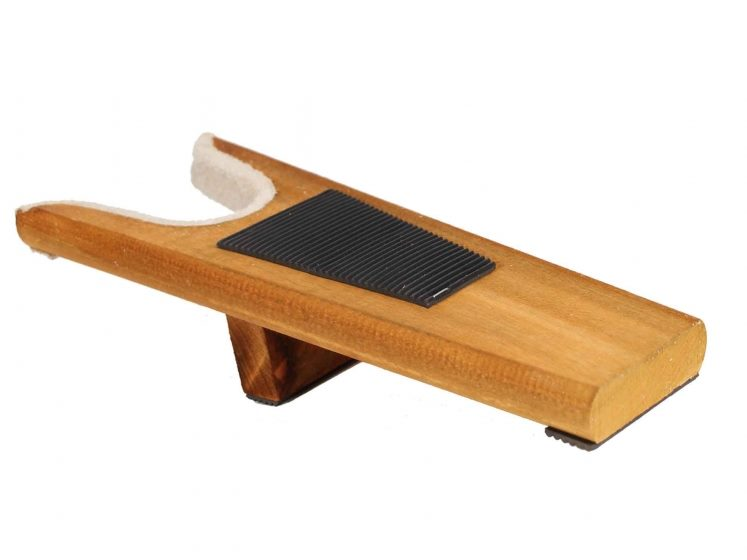
Decorative Pieces: In addition to their functional role, boot jacks are often used as decorative pieces in homes, showcasing their charming and rustic appeal. They serve as a reminder of the ingenuity and craftsmanship of past generations.
Symbol of Tradition: Boot jacks symbolize a time when fashion and function intersected, representing a simpler era when everyday tools were designed with care and practicality in mind.
Cultural Significance: In some regions, boot jacks are still used in traditional settings, maintaining their cultural significance. Equestrians, for example, may continue to use boot jacks for removing riding boots.
Educational Tool: Boot jacks serve as educational tools for teaching about historical lifestyles, craftsmanship, and the evolution of fashion and footwear. Museums and historical reenactments often feature boot jacks as part of their exhibits, offering insights into past daily life.
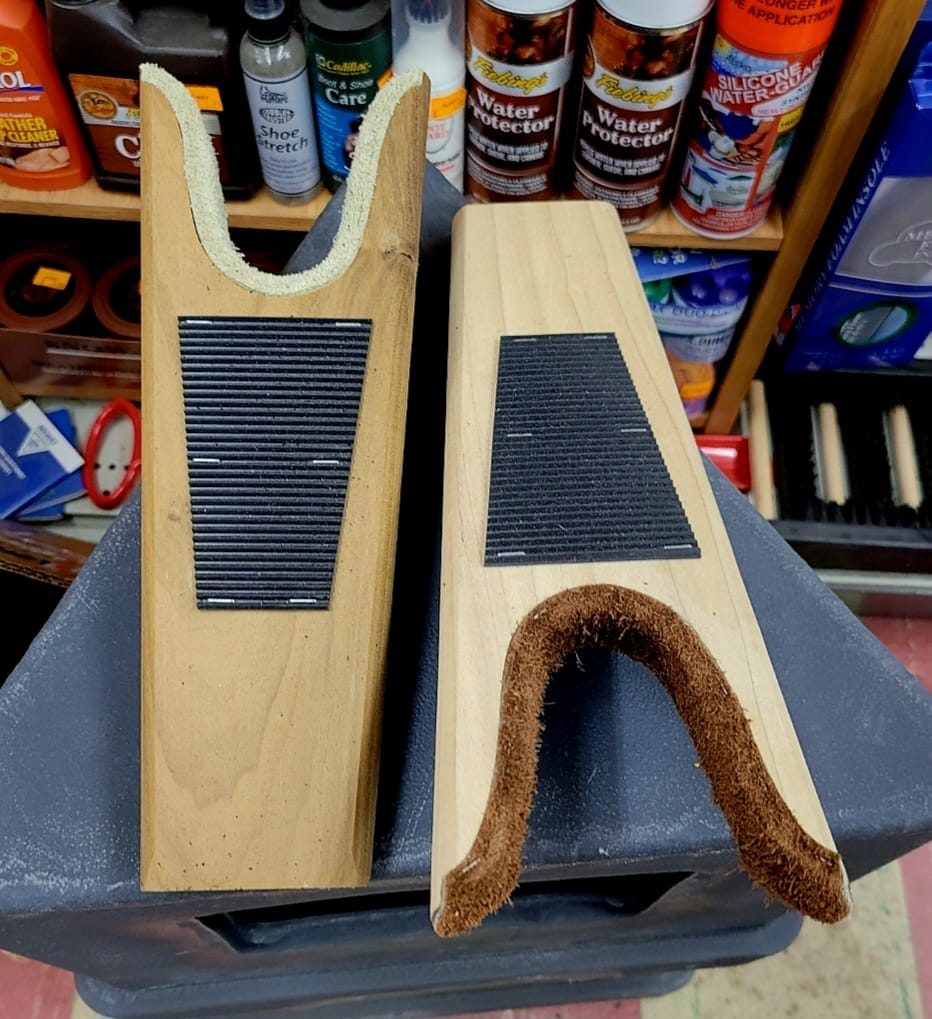
The vintage boot jack remains a fascinating artifact of history, embodying a blend of practicality, artistry, and cultural significance. While their everyday use may have dwindled, their legacy endures through collections, decorations, and the stories they tell of a bygone era. Whether admired for their historical value or appreciated for their clever design, boot jacks continue to captivate those who cherish the past and its unique contributions to our modern world.
