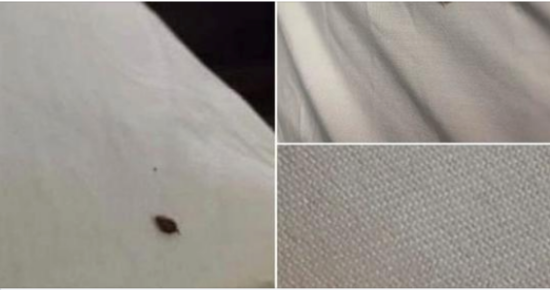
Ticks. Just the thought of them gives most people the creeps. And for good reason too! These tiny creatures are not only annoying and invasive, but they can also carry dangerous diseases like Lyme disease and Rocky Mountain spotted fever. So if you happen to find a tick inside your home, it’s important to take immediate action.
Identify and isolate the problem
The first step is to identify the type of tick you’re dealing with. It could be a black-legged tick, a dog tick, or a brown dog tick. Once you know what kind of tick it is, take the necessary precautions to ensure that it doesn’t spread. Keep your children and pets away from the area until the tick is taken care of.
Protective steps
To protect yourself from ticks, wear gloves and long-sleeved clothing to cover your skin. This will reduce the chances of a tick latching onto you.
Clean thoroughly
Ticks can hide in clothing, bedding, and even in the cracks and corners of your home. So it’s important to thoroughly clean any areas or items that the tick has come into contact with. Wash your clothes and bedding on high heat to kill any ticks that may be hiding. Vacuum the affected area, paying special attention to crevices and corners.
Tick removal
If you find a tick attached to your skin, don’t panic. Use fine-tipped tweezers to grasp the tick as close to the skin’s surface as possible. Slowly and steadily pull upwards, making sure not to twist or jerk. This will prevent the tick’s head from breaking off and remaining in your skin. After removing the tick, clean the bite area with alcohol or soapy water. You can dispose of the tick by submerging it in alcohol or flushing it down the toilet.
Monitor your bite
It’s important to monitor any bite sites that you find, as well as the person who has been bitten. Look out for symptoms such as a rash, fever, or muscle aches. If you notice any unusual symptoms or if the bite area becomes infected, seek medical attention immediately.
Ticks may be small, but they can cause big problems. By taking the necessary steps to remove and prevent ticks, you can protect yourself and your loved ones from the dangers they pose. Share this article on Facebook to spread the message and help others stay safe.
