A Glimpse into History
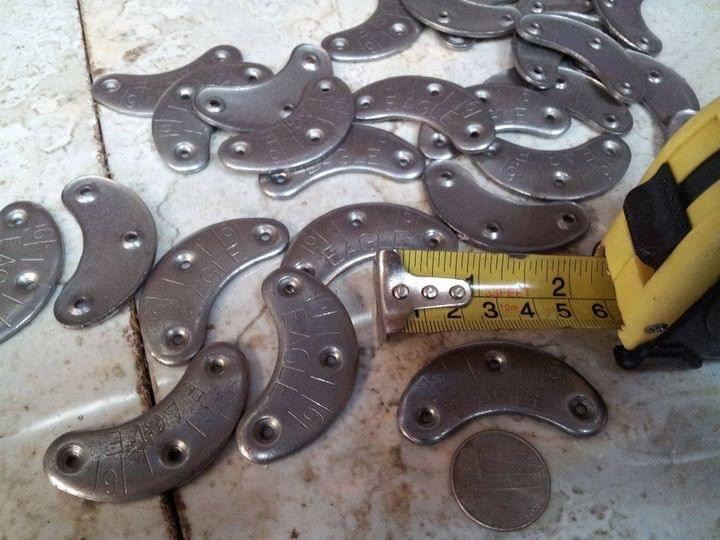
Vintage metal shoe repair plates, commonly known as heel or toe plates, have a rich history dating back to the early 20th century. Initially, shoemakers introduced these plates to extend the life of shoes, especially boots, by protecting the heels and soles from wear and tear. As footwear became a significant aspect of daily life and fashion, the demand for durable shoes increased, leading to the widespread use of these metal plates.
Usage of Metal Shoe Repair Plates
Durability and Function
The primary function of vintage metal shoe repair plates was to reinforce the most vulnerable parts of the shoe— the heels and toes. Shoemakers would attach these metal plates to the soles, providing a protective barrier against the abrasive surfaces of roads and pavements. This not only prolonged the life of the shoes but also offered better traction and stability.
Legacy of Vintage Metal Shoe Repair Plates
Influence on Modern Footwear
The legacy of vintage metal shoe repair plates can be seen in modern footwear. Today’s shoe manufacturing techniques and materials have evolved, but the concept of reinforcing and prolonging the life of shoes remains. Many contemporary shoe brands incorporate advanced materials and designs that echo the durability and protective qualities of those early metal plates.
Collector’s Items
Today, vintage metal shoe repair plates are highly sought after by collectors and enthusiasts of vintage fashion. They represent a bygone era of craftsmanship and practical ingenuity. Collectors often seek out shoes with original metal plates or even the plates themselves as standalone artifacts.
Cultural Significance
The cultural significance of these metal plates lies in their embodiment of a time when repair and reuse were commonplace. They serve as a reminder of the resourcefulness and resilience of past generations. In an age where disposable fashion often prevails, the story of vintage metal shoe repair plates encourages a return to valuing quality and longevity in our possessions.
Vintage metal shoe repair plates played a crucial role in the history of footwear. Their use extended the life of shoes, provided practical benefits, and even added a touch of style. Today, they are cherished for their historical and cultural significance, reminding us of an era when durability and craftsmanship were paramount. The legacy of these metal plates continues to influence modern footwear, emphasizing the importance of quality and sustainability in fashion.
